
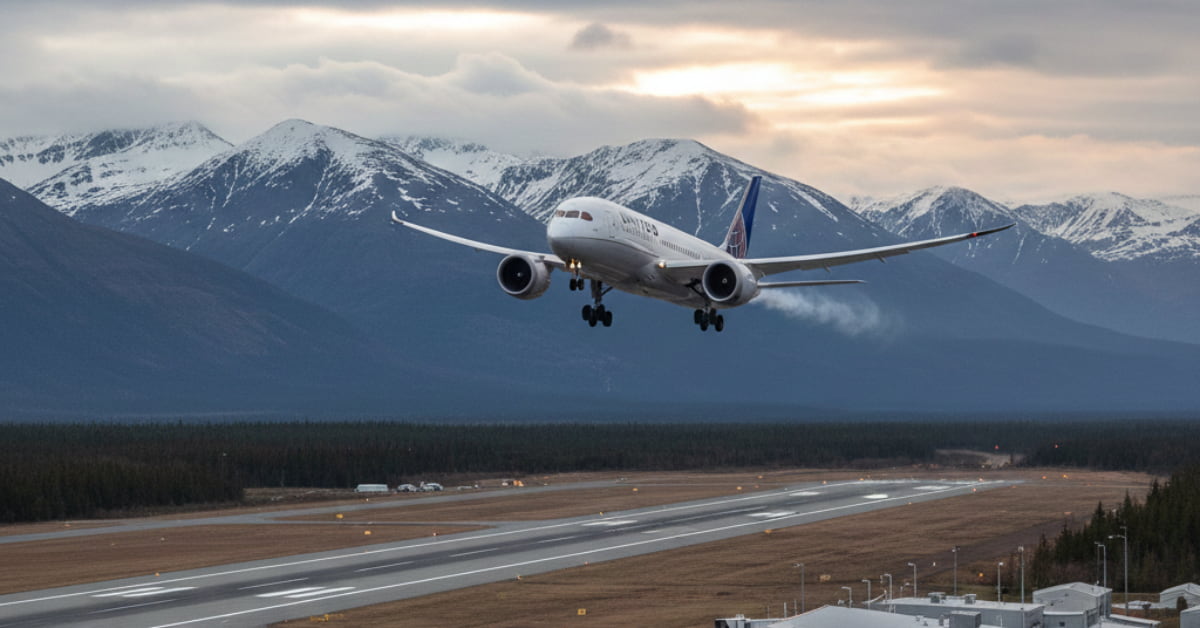
United Airlines Flight UA770 experienced an emergency diversion, surprising passengers mid-air. The aircraft was safely rerouted after a technical alert, highlighting how modern aviation safety systems and trained crews work together to protect passengers.
This article explains what happened, why emergency diversions occur, how airlines handle such situations, and what passengers can learn from incidents like Flight UA770.
Introduction
Air travel is one of the safest ways to move across the world, yet unexpected situations can still arise. United Airlines Flight UA770 is a recent example where safety protocols were activated mid-flight, resulting in an emergency diversion.
While such announcements can be unsettling for passengers, they are often a sign that safety systems are working exactly as designed. Understanding these situations helps travelers feel more confident and informed when flying.
What Happened on United Airlines Flight UA770?
According to initial reports, Flight UA770 was proceeding normally when cockpit instruments detected a potential technical concern. As a precaution, the flight crew decided to divert the aircraft to a nearby airport.
Passengers were informed through calm announcements, and ground teams were alerted in advance. The aircraft landed safely, and no injuries were reported.
Why the Emergency Diversion Occurred
Although airlines do not always release full technical details immediately, emergency diversions usually occur due to one or more of the following reasons:
-
Technical alerts detected by onboard systems
-
Precautionary mechanical concerns
-
Medical emergencies involving passengers or crew
-
Weather or air traffic considerations
In the case of Flight UA770, the diversion appears to have been a precautionary response to a technical indication — a standard safety practice in commercial aviation.
How Airlines Handle Emergency Diversions
Airlines like United Airlines follow strict, well-rehearsed procedures during any in-flight irregularity:
-
Immediate system assessment by pilots
-
Coordination with air traffic control
-
Selection of the safest nearby airport
-
Preparation of emergency services on the ground
-
Post-landing inspections and passenger assistance
These steps ensure that even unexpected events are handled in a controlled and professional manner.
Passenger Reactions and Cabin Experience
Reports from passengers indicate a mix of concern and reassurance during the incident. While hearing the word “diversion” can cause anxiety, many travelers noted the calm communication from the flight crew.
Clear instructions, steady updates, and professional behavior from cabin staff often help reduce panic and maintain order during such situations.
Why Flight Diversions Are a Safety Success — Not a Failure

Although diversions can be inconvenient, they are actually a sign that aviation safety systems are functioning correctly. Pilots are trained to err on the side of caution, even when an issue might turn out to be minor.
Common causes of flight diversions include:
-
Mechanical warnings
-
Medical situations onboard
-
Sudden weather changes
-
Airport operational issues
Delays are frustrating, but safety always takes priority over schedules.
The Role of Ground and Aviation Teams
A successful emergency landing involves more than just the flight crew. Behind the scenes, multiple teams work together:
-
Airport emergency response units
-
Aircraft maintenance teams
-
Medical personnel on standby
-
Operations and communication staff
This coordinated response is why incidents like UA770 usually end safely and without further complications.
Key Lessons from United Airlines Flight UA770
Incidents like this reinforce several important points for travelers:
-
Passenger safety is always the top priority
-
Emergency diversions are precautionary, not dangerous by default
-
Clear communication reduces panic
-
Aviation technology helps detect issues early
Trust in trained professionals and established procedures plays a major role in aviation safety.
FAQs: United Airlines Flight UA770 Emergency Diversion
Q1: Why was United Airlines Flight UA770 diverted?
A technical alert was detected mid-flight, prompting a precautionary diversion.
Q2: Were there any injuries?
No. The aircraft landed safely, and no injuries were reported.
Q3: How long was the delay?
Delays can vary, but reports suggest passengers experienced several hours of disruption.
Q4: What happens after an emergency diversion?
The aircraft undergoes inspection, passengers receive assistance, and official safety reports are completed.
Q5: Are emergency diversions common?
They are relatively rare, but they occur when safety protocols require precautionary action.
Conclusion
The emergency diversion of United Airlines Flight UA770 may have startled passengers, but it ultimately demonstrated how aviation safety systems work in real time. From early detection to coordinated response, every step was focused on protecting lives.
While no traveler enjoys delays or unexpected landings, incidents like this remind us that caution and preparedness are what make flying one of the safest modes of transportation in the world.
Call to Action
Before your next flight, take a few minutes to understand airline safety procedures and emergency protocols. Staying informed can make unexpected situations feel far less intimidating — and help you travel with greater confidence.
2 thoughts on “United Airlines Flight UA770 Emergency Diversion: What Happened & Why Safety Came First”