
Meta Description:
Check Trip Check Oregon for live road conditions, traffic cameras, closures, and weather updates before driving anywhere in Oregon.
Introduction: Why I Stopped Guessing and Started Checking Trip Check Oregon
Oregon looks calm on a map. Long highways, clean routes, distances that feel simple. When I first planned my drive, I honestly thought a navigation app and a quick weather check would be enough.
That confidence didn’t last long.
Once you’re actually driving, things change fast. Fog rolls in without warning. Mountain passes shift moods. A road that looked fine an hour ago suddenly feels uncertain, and you start second-guessing your plan.
I remember sitting in the car, switching between apps, trying to figure out what was really happening ahead. Each one showed something different, and none of them answered the question that mattered most: Is this road safe right now?
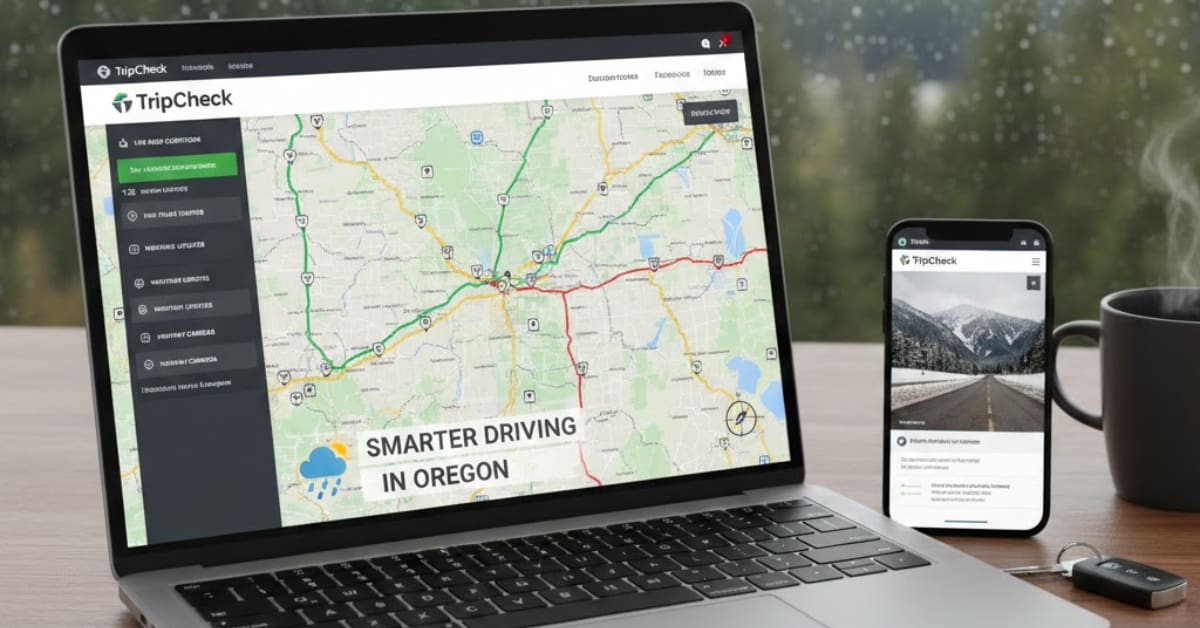
That’s where Trip Check Oregon came in. It’s not a travel app or a blog tip—it’s the official Oregon DOT tool that shows real road conditions as they are, not as predictions. Once I started using it, planning stopped feeling like guesswork. I could see the road, read the alerts, and drive with a lot more confidence—and that quietly changed how I approached every trip in Oregon.
My Personal Experience: The Moment I Realized I Was Planning Blind
I’ll be honest—I didn’t start using Trip Check Oregon right away. At first, I genuinely believed Google Maps and a basic weather app would cover everything. I had my routes saved, a few stops pinned, and a loose timeline in my head. On paper, it all looked fine. Still, there was this quiet feeling that something wasn’t adding up.
The night before a drive toward Mount Hood, that feeling got stronger. I sat there flipping between apps, refreshing screens, trying to decide which one to trust. One showed clear skies. Another hinted at snow higher up. Neither showed what the road actually looked like. I hesitated longer than I expected, closed my laptop for a moment, then opened Trip Check Oregon—almost out of frustration.
Seeing live cameras instead of predictions felt different right away. Actual highways. Real traffic. Weather happening in real time. It grounded me in a way forecasts never had. That uncertainty didn’t disappear instantly, but it softened. Confusion turned into clarity, and hesitation into a quiet sense of control.
From that night on, checking Trip Check Oregon stopped feeling like an extra task. It became part of my routine—something I did before every drive, not because I had to, but because it made planning feel honest and decisions easier to trust.
What Trip Check Oregon Actually Is (Without the Jargon)
Trip Check Oregon is the Oregon Department of Transportation’s live travel information system. It’s built for drivers, not tourists or marketers.
It shows:
- Current road conditions across Oregon
- Live traffic camera feeds
- Weather impacts tied directly to highways
- Closures, delays, and construction updates
- Chain and traction requirements in winter
What matters most is where the data comes from. This isn’t crowdsourced guesswork. It’s pulled directly from state systems, sensors, and traffic reports.
How Trip Check Oregon Works When You’re Actually Using It
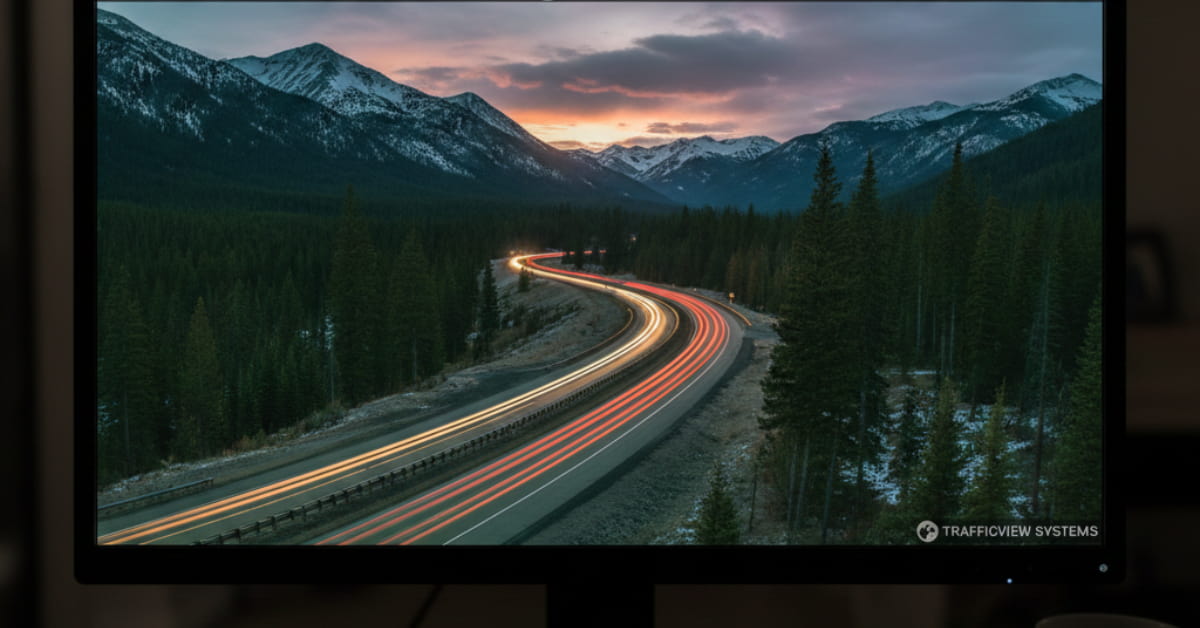
Live traffic camera view showing changing weather on a mountain road
Trip Check Oregon looks simple, but using it effectively has a small rhythm:
-
Open the map.
-
Zoom into your highway, not just the city.
-
Click camera icons before trusting the road color.
-
Read alerts carefully, especially timestamps.
-
Recheck right before you leave, even if you checked earlier.
I learned quickly that conditions can change fast, especially on mountain passes, so a quick second look often saves a lot of stress.
The Emotional Shift: From Doubt to Quiet Confidence
Early on, every drive felt like a gamble. Was the fog going to lift? Would the pass stay open? I drove tense, checking my phone more than I liked.
Once Trip Check Oregon became part of my planning, something changed. Doubt softened into trust. Not because everything went perfectly—but because I knew what I was driving into.
That confidence didn’t come from control. It came from visibility.
Features I Actually Use (And Ignore the Rest)
Live Traffic Cameras
This is the heart of Trip Check Oregon for me. Cameras show fog density, snow buildup, and traffic flow in a way forecasts never can.
I check them:
- Before coastal drives on Highway 101
- Early mornings near Mount Hood
- Late evenings when temperatures drop fast
Road Conditions and Closures
Color-coded routes help, but the written alerts matter more. Closures during wildfire season or winter storms can appear with little notice.
Weather and Chain Requirements
Seeing chain requirements tied directly to specific highways helped me avoid one very uncomfortable drive. If chains are required and you don’t have them, that’s not a suggestion—it’s a stop sign.
Honest Imperfection: Where Trip Check Oregon Falls Short
Trip Check Oregon is an incredible tool for real-time road awareness, but it’s not perfect—nor does it try to be. Its main focus is current conditions, which means it tells you what’s happening on the roads right now, what’s closed, and where the traffic or weather issues are. That’s exactly what you need when you’re about to drive, but it doesn’t give detailed long-term forecasts or personalized scenic route suggestions. If you’re hoping to plan a week-long trip purely using Trip Check Oregon, you might come away wishing for a bit more.
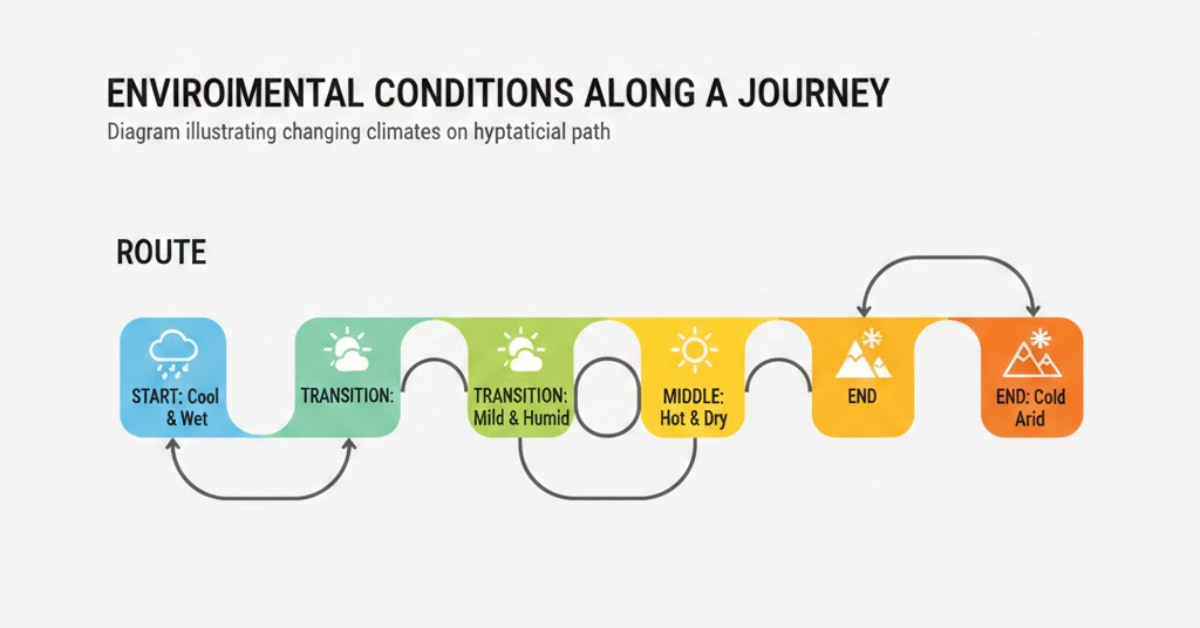
I’ve learned this the hard way. On one trip, I was relying solely on Trip Check Oregon for timing my drives along the coast. The tool showed all roads clear, so I expected smooth sailing. But a few miles later, fog rolled in unexpectedly in a valley, and I realized I hadn’t accounted for microclimate changes—something a weather forecast or local advice would have highlighted. That moment reminded me that Trip Check Oregon is best paired with other planning tools, not used in isolation.
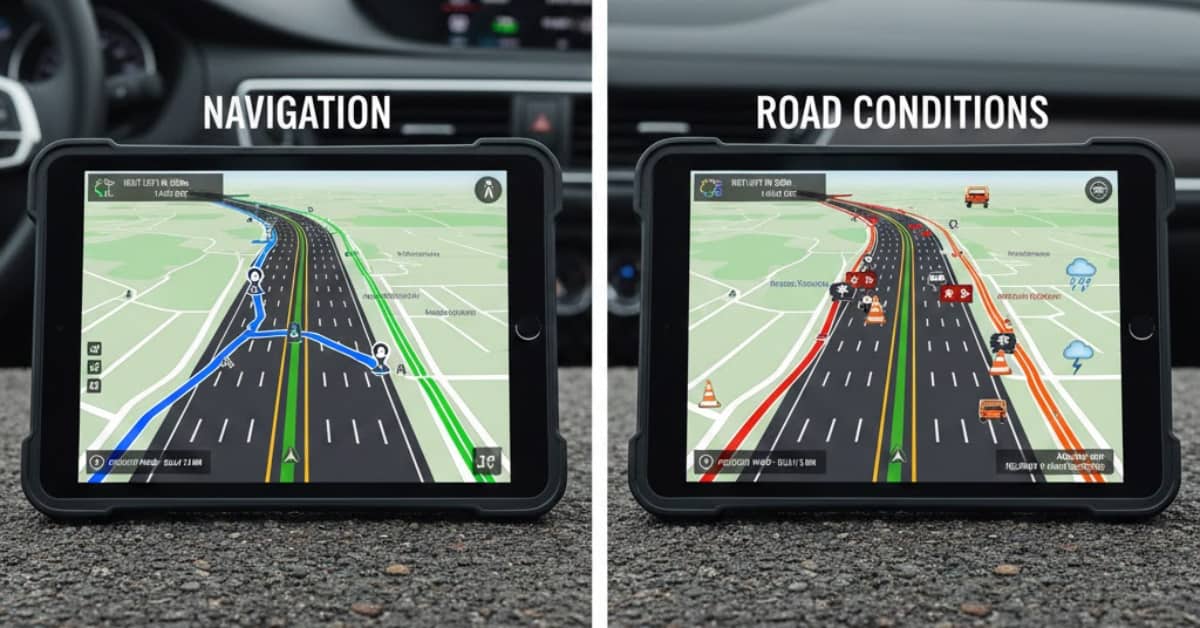
Personally, I use Google Maps for navigation and Trip Check Oregon for reality checks. Google Maps helps me find the route, estimate travel time, and navigate efficiently. Trip Check Oregon confirms the conditions on that route in real time. Together, they make my drives far less stressful and a lot safer. It’s a little imperfect combination, but it works better than relying on either tool alone.
When You Should Always Check Trip Check Oregon
From experience, these moments matter most:
- Mountain crossings, even in summer
- Coastal drives early morning or evening
- Long rural stretches with limited services
- Winter travel, especially after sunset
I check it the night before and again right before starting the engine.
Common Mistakes I See Other Travelers Make
- Assuming short drives stay short
- Trusting weather apps without elevation context
- Skipping camera checks
- Driving into closures hoping they’ve reopened
Most of these mistakes come from optimism, not carelessness.
Trip Check Oregon vs Google Maps (How I Use Both)
Google Maps tells me where to go. Trip Check Oregon tells me whether I should.
Trip Check Oregon shows live cameras, official closures, and chain rules. Google Maps doesn’t. Used together, they reduce surprises.
Routes Where Trip Check Oregon Really Matters
Some highways demand extra attention:
- Highway 26 toward Mount Hood
- Highway 58 through the Cascades
- Highway 101 along the coast
- I-84 in the Columbia River Gorge
Conditions here change fast, sometimes within miles.
Who This Is Best For (And Who It Isn’t)
Best for:
- Road trippers
- RV and van travelers
- Winter drivers
- Anyone crossing mountains
Not ideal for:
- Short city-only trips
- Travelers relying solely on public transport
If you’re driving beyond city limits, it’s worth using.
What Others Don’t Tell You About Trip Check Oregon
Most beginners glance at the map colors and move on. The real insight comes from:
- Reading alert timestamps
- Comparing multiple nearby cameras
- Watching how fast conditions change
Those small habits make the tool far more useful.
A Question for You
Have you ever turned back—or wished you had—because the road wasn’t what you expected?
That moment is usually where Trip Check Oregon earns its place.
ConclusionThe Calm That Comes From Knowing
Trip Check Oregon didn’t make my drives faster. It made them calmer. I stopped chasing perfect timing and started making informed choices.
Oregon doesn’t reward rushing. It rewards awareness. When you know what’s ahead, even delays feel manageable.
Before your next drive, take a quiet minute and check the road as it really is. That small pause can change the entire journey.