
Stay healthy abroad with Travel Health Pro. Real travel health tips, vaccines, safety advice, and lessons learned from real experience.
Introduction
Travel has a way of making us feel unstoppable. You book the flight, plan the route, imagine the photos — and somewhere in that excitement, health quietly drops to the bottom of the list.
Most travelers don’t ignore health on purpose. They just assume it’ll “work out.” I used to think the same way. After all, people travel every day, right?
I honestly thought travel health planning was for people who worry too much. I didn’t see myself like that back then. I just wanted to go.
But the truth is, travel doesn’t forgive small health mistakes. A single bad meal, unsafe water, or ignored vaccine can flip a dream trip into days of discomfort, stress, and regret — usually when you least expect it.
That’s why Travel Health Pro matters. Not as a warning sign, not as fear — but as a practical companion for anyone who wants to travel smart, not lucky.
This guide isn’t written from theory. It’s written from mistakes, learning curves, and trips that quietly taught me what really matters when you’re far from home.
My Personal Experience With Travel Health (Learning the Hard Way)
On my first international trip, I thought I was prepared. Flights booked early. Hotels carefully chosen. A detailed itinerary saved on my phone.
Health planning? Almost nothing.
I remember skipping a proper travel health check because it felt unnecessary. I told myself I’d be careful with food and water. At the time, that sounded reasonable. Confident, even.
A few days into the trip, I got hit with a stomach infection. Nothing dramatic — just enough to cancel tours, avoid food, and spend long hours in a hotel room listening to a city I was supposed to be exploring.
I remember sitting on the edge of the bed, cancelling plans one by one on my phone. At some point, I stopped scrolling. I didn’t want to see what I was missing anymore.
That moment changed how I travel.
Confusion slowly turned into clarity. I realized travel health isn’t about fear — it’s about respect. Respect for your body when it’s pushed into unfamiliar environments.
What Travel Health Pro Really Is (And What It Isn’t)

At first, all this information felt heavy. Too many tabs. Too many warnings. I remember thinking, am I overdoing this?
At first glance, Travel Health Pro can feel overwhelming. Lists, vaccines, alerts, updates. I hesitated, wondering if I was making travel more complicated than it needed to be.
But once I slowed down and focused only on what actually applied to my trip, things became clearer.
Travel Health Pro is not about restricting travel.
It’s about understanding the environment you’re stepping into — before it surprises you.
It helps travelers with:
-
Country-specific health risks
-
Required and recommended vaccinations
-
Disease outbreaks and safety alerts
-
Practical, real-world medical precautions
Every destination has its own health reality. Some places struggle with unsafe water. Others with mosquitoes, extreme heat, or limited healthcare access.
Once I accepted that, doubt slowly turned into trust.
Why Travel Health Advice Is More Important Than Most People Admit
No one plans to get sick while traveling. We imagine movement, freedom, discovery.
But health issues don’t wait for permission.
Ignoring travel health advice can lead to:
-
Food poisoning that lasts days
-
Mosquito-borne diseases like dengue or malaria
-
Severe dehydration
-
Heatstroke or cold exposure
-
Unexpected medical bills abroad
The shift for me happened when I realized something simple:
Good travel health planning doesn’t remove spontaneity — it protects it.
Pre-Travel Health Checklist (What I Actually Follow Now)
1. Vaccination Guidelines (Do This Early)
Vaccines aren’t just paperwork — they’re protection.
Common examples:
-
Yellow Fever: Africa, South America
-
Typhoid: Asia, Africa
-
Hepatitis A & B: Strongly recommended worldwide
-
Polio & Meningitis: Certain regions
I almost skipped one vaccine once because it meant an extra clinic visit. Looking back, that hesitation still feels silly.
Some countries won’t even allow entry without proof. I learned that lesson the stressful way — never again.
2. Understand Real Travel Health Risks
Health risks change by region:
-
Southeast Asia: Dengue, food hygiene
-
Africa: Malaria, heat exposure
-
Europe: Seasonal flu, cold-related illness
-
Middle East: Dehydration, heat exhaustion
-
South America: Water safety, insect-borne diseases
Travel Health Pro breaks this down without panic or exaggeration, which honestly makes it easier to follow.
3. Travel Medical Insurance (Unexciting but Essential)
I used to see insurance as optional. I didn’t like paying for something I hoped I’d never use.
Experience corrected that mindset fast.
Travel medical insurance can cover:
-
Emergency hospital treatment
-
Evacuation
-
Accidents
-
Lost or stolen medication
Traveling without it now feels… careless.
4. Build a Practical Travel Health Kit
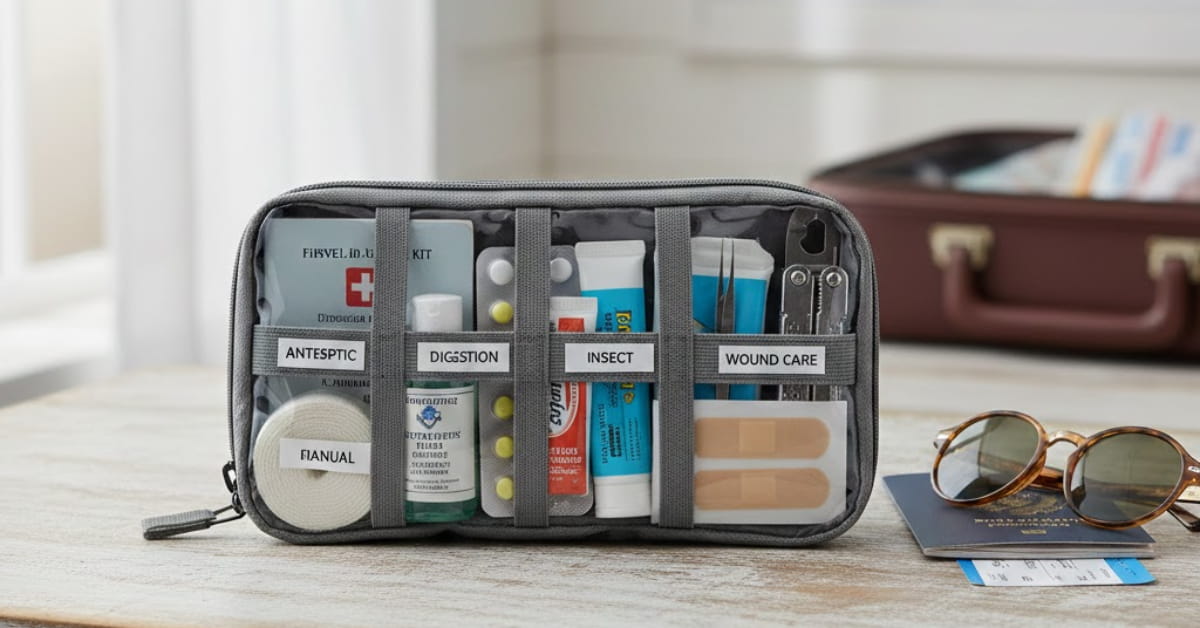
You don’t need everything. Just what’s useful.
My standard kit includes:
-
Pain relievers
-
Antiseptic wipes
-
Bandages
-
Motion sickness tablets
-
Oral rehydration salts
-
Personal prescriptions
5. Travel Health Consultation (If You Can)
A short visit to a doctor or travel clinic can provide:
-
Personalized vaccine advice
-
Preventive medications
-
Destination-specific health tips
That conversation often turns hesitation into quiet confidence.
Travel Safety Habits That Became Automatic for Me
Over time, these stopped feeling like rules and started feeling normal:
-
Drink only bottled or filtered water
-
Avoid ice unless the source is trusted
-
Eat freshly cooked food
-
Use mosquito repellent daily
-
Wash hands frequently
-
Carry sanitizer
-
Check health alerts during the trip
I broke the water rule once. Just once. It was enough to remind me why the rule exists.
Have you ever noticed how small habits quietly protect entire days of travel?
Common Travel Health Risks People Underestimate
Most of these risks don’t sound scary on paper. That’s exactly why people ignore them.
1. Food & Water Illness
Most common — and most underestimated.
2. Insect-Borne Diseases
Mosquitoes don’t care how experienced you are.
3. Extreme Weather
Heatstroke and hypothermia happen faster than expected.
4. Limited Medical Access
Especially in rural or remote areas.
5. Overconfidence
Probably the biggest risk of all.
A Real Travel Health Story That Still Stays With Me
A close friend, Ali, traveled to Thailand without checking vaccination advice or using mosquito protection consistently.
Within days, he developed a high fever. The diagnosis was dengue.
Watching him recover slowly in a foreign hospital was sobering. No drama. No exaggeration. Just a trip that didn’t go the way it should have.
Travel Health Pro advice exists because stories like this repeat every day.
Honest Imperfection (What Travel Health Pro Can’t Replace)
One honest truth:
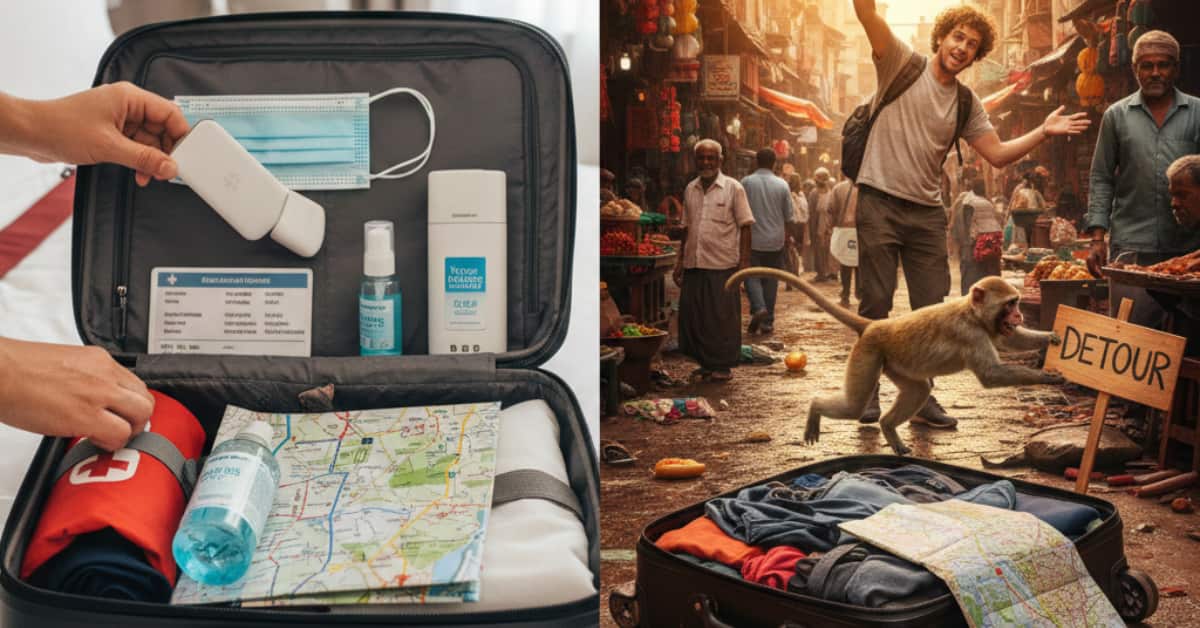
No guide can predict everything.
Travel Health Pro gives structure and knowledge — but it can’t replace awareness on the ground. Conditions change. Local realities differ.
You still need to observe, adapt, and think.
What Others Don’t Tell You About Travel Health
The biggest travel health mistakes usually don’t feel like mistakes at the time.
-
You don’t need perfection — consistency matters more
-
Fatigue lowers immunity faster than people expect
-
Dehydration builds quietly
-
Feeling “fine” doesn’t mean you’re safe
-
Most illnesses come from repeated small mistakes
Who This Guide Is For (And Who It’s Not)
Best for:
-
First-time travelers
-
Long-term travelers
-
Families
-
Anyone visiting unfamiliar regions
Not ideal for:
-
Travelers who ignore medical advice entirely
-
People unwilling to prepare at all
Conclusion
Some trips taught me joy. Others taught me lessons.
Months after one trip ended, I remembered the illness more clearly than the photos. That surprised me.
The trips I remember most fondly weren’t the ones where nothing went wrong — they were the ones where I felt prepared enough to relax.
Good travel health planning fades into the background when done right. You stop thinking about it — and that’s exactly the point.
Your health travels with you whether you plan for it or not. Taking care of it quietly, before you leave, might be the most thoughtful part of your journey.