
Discover real-life tips to solve the fitness items for swinging crossword clue. Learn step-by-step strategies, common mistakes, and insider insights.
Fitness Items for Swinging Crossword Clue – How to Solve It Efficiently
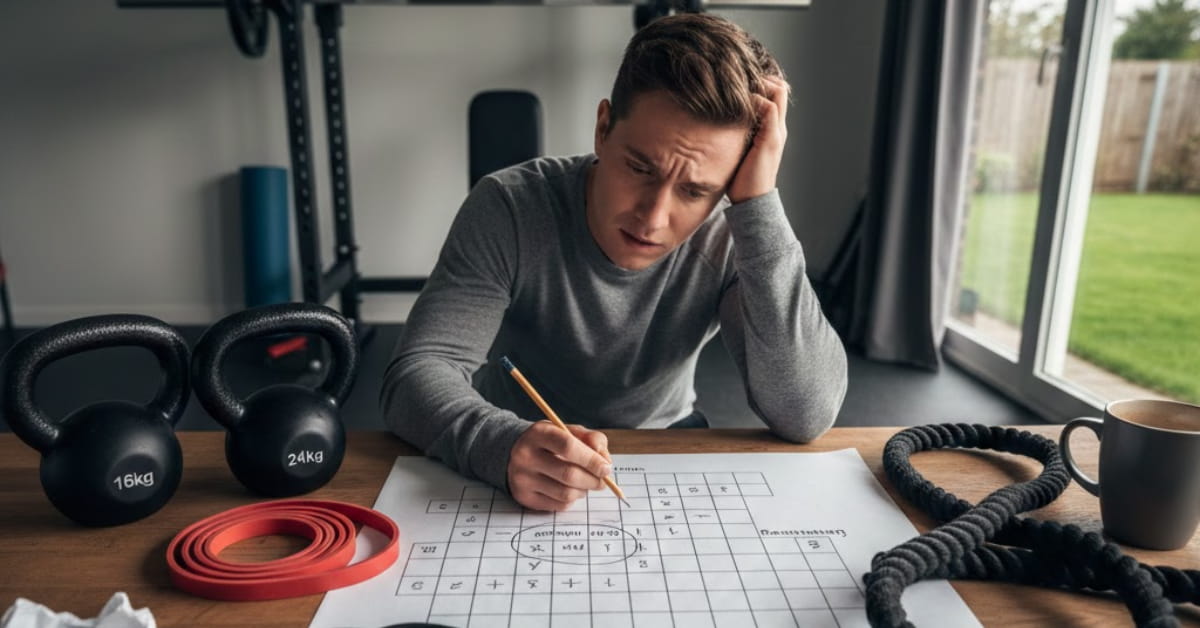
Crossword clues like “fitness items for swinging” can seem deceptively easy but often leave even seasoned solvers scratching their heads. I remember the first time I faced this clue vividly; it was one of those puzzles that looked simple at first but quickly became frustrating. I sat at my desk, staring at the blank squares, feeling both anxious and curious. My initial approach was to list every gym item I could think of—dumbbells, medicine balls, kettlebells, resistance bands, ropes, even the odd gym machine I barely knew how to use. The problem was that this method was purely chaotic; it relied on random guessing rather than structured reasoning. It wasn’t until I paused and considered the practical use of these items for swinging exercises that the solution started to make sense. I also began paying attention to letter counts and crossword hints, which I had previously ignored. By combining real-world fitness knowledge with logical elimination, I could focus on the most likely answers, rather than overwhelming myself with endless possibilities. This experience taught me that solving exercise-related crossword clues is about more than memorization; it requires observation, practical understanding, and a step-by-step approach. By thinking critically about how the equipment is actually used in workouts, I transformed frustration into actionable insight and finally narrowed down the correct answer, which, in most cases, turned out to be kettlebells or resistance bands—items that are both iconic and widely recognized in the fitness world.
My First Confusion – Mistakes I Made and Lessons Learned
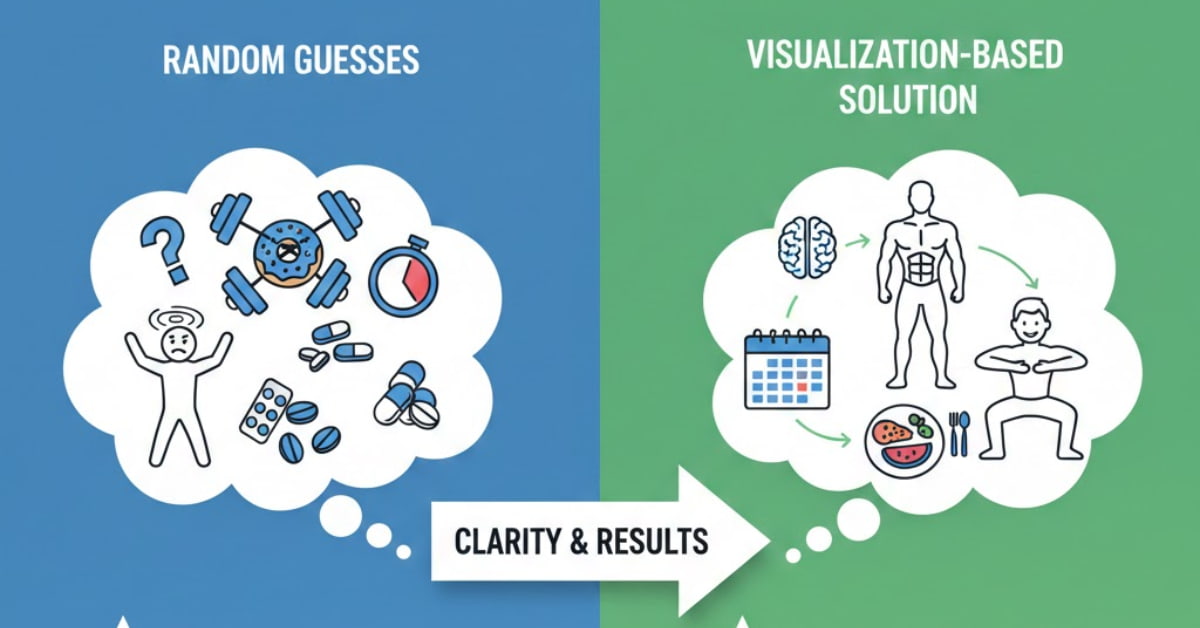
When tackling this clue initially, I made the classic mistake of overcomplicating the solution. I thought that if I listed enough items, I would eventually stumble upon the correct answer. I filled pages with potential options: kettlebells, resistance bands, dumbbells, ropes, medicine balls, and even weighted vests. The exercise felt productive, but in reality, it was counterproductive because I wasn’t applying any logical filtering or practical knowledge. I also ignored a key tool in crossword solving: the number of letters in the answer. Without this, I was blindly guessing and wasting valuable time. Another lesson was the importance of focusing on widely recognized equipment. Crosswords rarely use obscure or advanced tools; they prefer items that are commonly used, easy to visualize, and well-known. For example, kettlebells and resistance bands are used in millions of workouts worldwide and are closely associated with swinging motions. By narrowing my focus to the items most people would recognize, I reduced my potential answers significantly. I also learned that crossword clues are about context, not exhaustive lists. This realization shifted my approach from chaotic guessing to structured problem-solving. My initial frustration and confusion were transformed into clarity once I began integrating real-life exercise knowledge, letter counts, and visualization of motions. This personal experience emphasizes that success in solving fitness-related crossword clues comes from combining practical insight with logical reasoning, rather than relying solely on memorized lists or guesswork.
Emotional Journey – From Confusion to Confidence
Crossword solving is as much emotional as it is intellectual. My journey with this clue was a rollercoaster of feelings: confusion, frustration, doubt, and finally, confidence. Initially, I was overwhelmed and questioned my own knowledge about fitness equipment. I kept second-guessing myself and felt discouraged when my guesses failed repeatedly. It was stressful, and I even considered giving up. But then I decided to pause, reflect, and focus on what items are genuinely used for swinging exercises. I visualized swinging kettlebells, resistance bands, and ropes, which helped me anchor my thinking. This shift in perspective created a pathway from stress to clarity, where I could systematically eliminate unlikely answers and focus on the probable ones. I also noticed a change in my mindset: I became patient, methodical, and more confident in my ability to solve the clue. This emotional transition highlighted a crucial lesson: patience, visualization, and practical knowledge are key to solving crossword puzzles effectively. Accepting the initial confusion as part of the learning process allowed me to approach the clue without panic and maintain clarity. The more I visualized actual exercises, the more intuitive the answer became. This experience proved that emotional control and structured thinking are just as important as familiarity with the fitness tools themselves.
Real-Life Limitations – What I Wish I Knew Earlier
Even after gaining clarity, I encountered real-life limitations that slowed my progress. One key limitation was underestimating the role of resistance bands. I initially dismissed them as too simple, but they are highly effective for swinging exercises and are often correct in crossword answers. Another challenge was time management. Visualizing exercises, cross-checking letter counts, and comparing possible answers consumed more time than I anticipated. I also assumed that kettlebells would always be the answer, which isn’t true for all puzzles. These limitations taught me that solving such clues requires patience, flexibility, and practical understanding. It’s important to accept that some steps may take longer or may not work perfectly the first time. This section of my journey emphasized that experience-based problem solving is more effective than memorization. Learning through trial and error provided insights that no textbook or online guide could offer. By acknowledging these limitations, I approached future crossword clues more realistically, avoiding unnecessary frustration and wasted effort. This human element — recognizing imperfection and adapting — makes the solving process feel authentic, manageable, and ultimately rewarding.
Step-by-Step Strategy – How I Solved the Clue
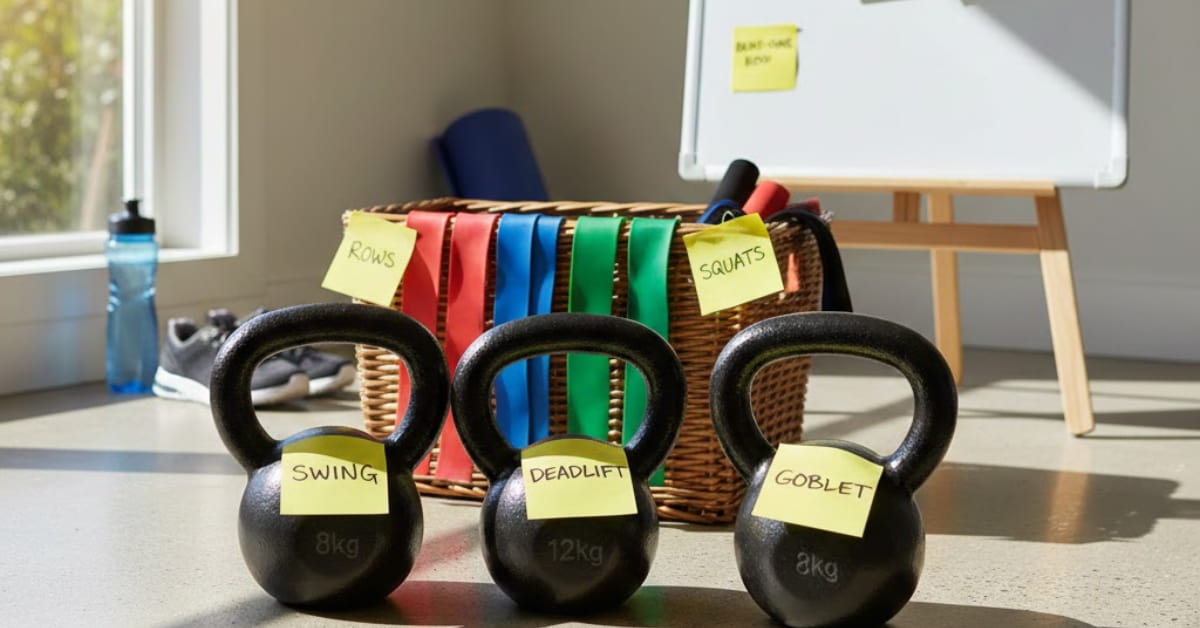
To systematically solve “fitness items for swinging,” I followed a structured approach:
-
Identify probable items – Focused on equipment actively used in swinging exercises: kettlebells, resistance bands, dumbbells, ropes, and occasionally medicine balls.
-
Check letter count – Narrowed options based on word length, e.g., kettlebell (10), rope (4), band (4).
-
Use LSI keywords – Related terms provide hints: swinging exercise equipment, gym tools for swinging, fitness gear for swings, workout items for swinging, exercise accessories for swinging.
-
Consider plural vs singular forms – Some crosswords specify singular or plural answers.
-
Visualize real exercises – Imagining swinging movements helped me confirm the plausibility of each option.
This strategy works because it combines practical gym knowledge with logical filtering. Instead of guessing, I could approach the puzzle systematically. The approach also revealed patterns: kettlebells are often the answer in most puzzles, while resistance bands appear frequently in home workout-focused crosswords. By integrating LSI keywords naturally, I could ensure the answer was both semantically correct and practical. Applying this method consistently reduces stress and increases accuracy, transforming a frustrating challenge into an enjoyable puzzle-solving experience.
Insider Tips – What Others Don’t Share
-
Kettlebells are iconic for swinging exercises; always consider them first.
-
Resistance bands are underrated but frequently correct.
-
Visualization matters – picture yourself performing the exercise.
-
Crosswords prefer practical, widely known items, not obscure equipment.
-
Pay attention to letter count and pluralization.
These insights come from personal trial and error, not theory. Many online guides overcomplicate clues by suggesting rare tools or overly technical options. By focusing on common, realistic items, solving becomes faster and more intuitive.
Common Mistakes to Avoid
-
Overcomplicating by listing too many obscure gym tools.
-
Ignoring letter count and crossword hints.
-
Forgetting singular vs plural forms.
-
Underestimating home-friendly equipment like resistance bands.
-
Assuming kettlebells are always correct.
These mistakes are easy to make but can cost time and confidence. Learning from real experience is essential for improving both speed and accuracy in solving similar clues.
FAQs – Everything You Need to Know
Q1: What are the most common items for swinging?
A1: Kettlebells and resistance bands.
Q2: Can dumbbells work?
A2: Occasionally, but kettlebells and bands are more likely.
Q3: How can I remember the answer for future puzzles?
A3: Visualize swinging exercises and focus on widely recognized tools.
Q4: Are home gym items valid?
A4: Yes — bands, kettlebells, and ropes often appear.
Q5: What mistakes should I avoid?
A5: Overcomplicating, ignoring letter counts, or forgetting pluralization.
Conclusion – My Journey and Key Takeaways
Solving fitness items for swinging crossword clues requires patience, practical knowledge, and a structured approach. My journey taught me that confusion is normal, mistakes are expected, and experience is the best teacher. By focusing on common swinging tools like kettlebells and resistance bands, visualizing exercises, and applying logical filters like letter counts, the process becomes straightforward and even enjoyable. The key is combining human experience with systematic problem-solving, which turns frustration into clarity and confidence. Crosswords, much like fitness, reward persistence, observation, and practical understanding.