
Learn how to use Yahoo Finance Stocks to track prices, charts, company financials, and market trends for smarter investment decisions.
My Initial Struggle With Tracking Stocks
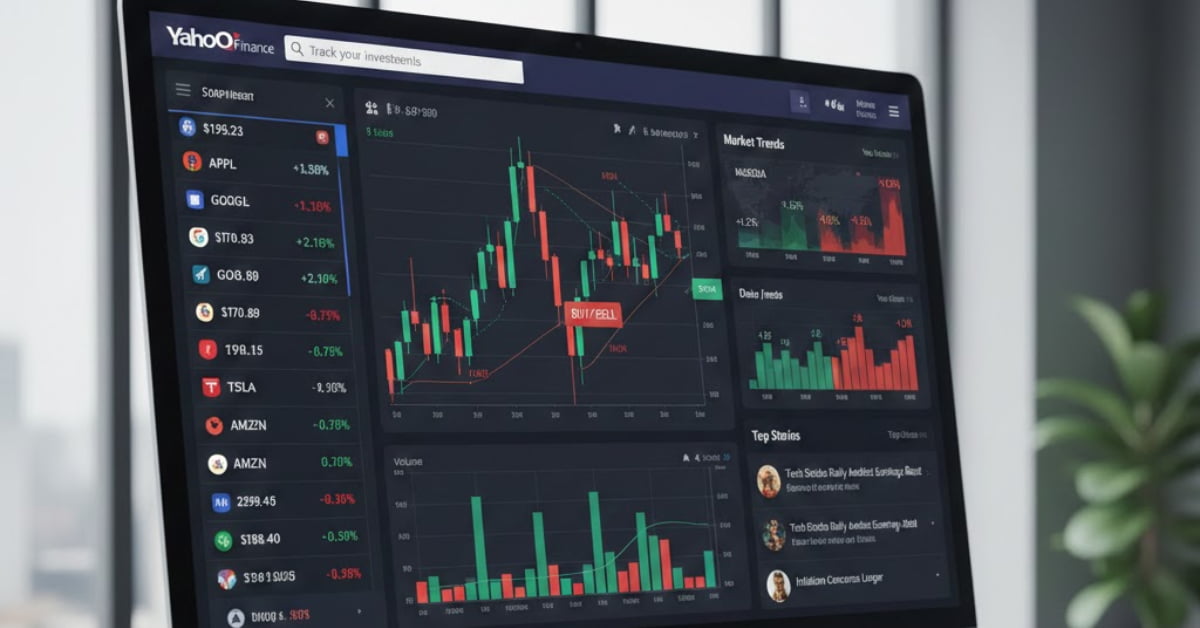
I still remember the first time I opened Yahoo Finance. I had just started thinking seriously about investing, but the interface immediately overwhelmed me. Real-time stock quotes flashed across the screen, top-performing stocks jumped up and down, and every chart seemed impossible to read.
I made all the typical beginner mistakes:
-
I checked stock price trackers obsessively, hoping to catch the “right” moment.
-
I followed market headlines blindly instead of looking at company financials.
-
I created a watchlist of 50+ stocks, thinking more data = better decisions, but it only added confusion.
By the end of the week, I felt more lost than ever. I had numbers, charts, and alerts, but no idea how to interpret them. My frustration peaked, and I almost gave up.
The Turning Point: Finding Clarity
The turning point came when I realized I didn’t need to track everything—just the right information in the right way. I decided to focus on patterns, not noise, and narrowed my efforts to three key things:
-
Understanding real-time stock quotes and what they really mean.
-
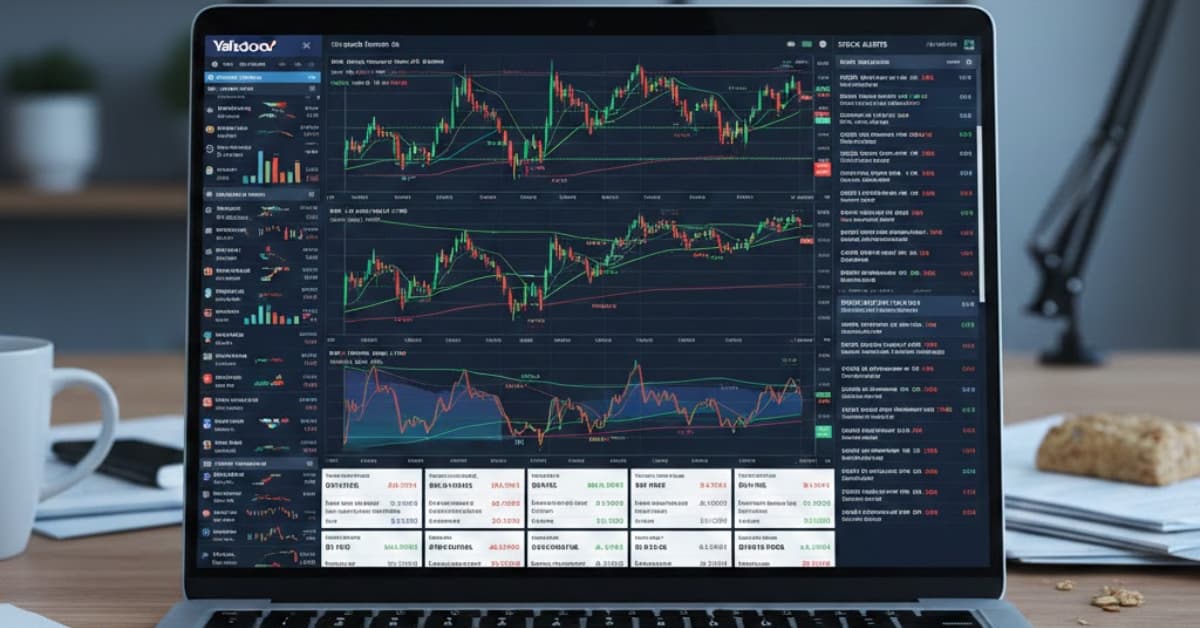
Learning to read stock charts and graphs to identify trends.
-
Reviewing historical stock data to see how stocks perform over time.
This small shift changed everything. Instead of feeling stressed scrolling endlessly, I started analyzing trends with confidence. For example, tracking market trends today gave me perspective—sudden drops often corrected themselves, and I learned not to panic.
Realizing Limitations
Even after adopting this new approach, I slowly realized it wasn’t all smooth sailing.
Managing my portfolio took more time than I expected, especially when I had to match Yahoo Finance data with my own spreadsheet.
At first, many earnings reports felt overwhelming because they were packed with technical terms I didn’t fully understand.
I often found myself re-reading sections just to grasp the main points.
Finding accurate dividend information wasn’t always straightforward either.
Sometimes it meant switching between multiple tabs or checking other websites for confirmation.
These small frustrations tested my patience more than I anticipated.
In the end, I learned that while Yahoo Finance is a powerful tool, becoming a good investor depends just as much on knowledge, patience, and consistent habits as it does on the tools you use.
The Practical Step-by-Step Guide I Followed
Here’s exactly how I started tracking stocks effectively using Yahoo Finance:
Step 1: Set Up Your Yahoo Finance Account
-
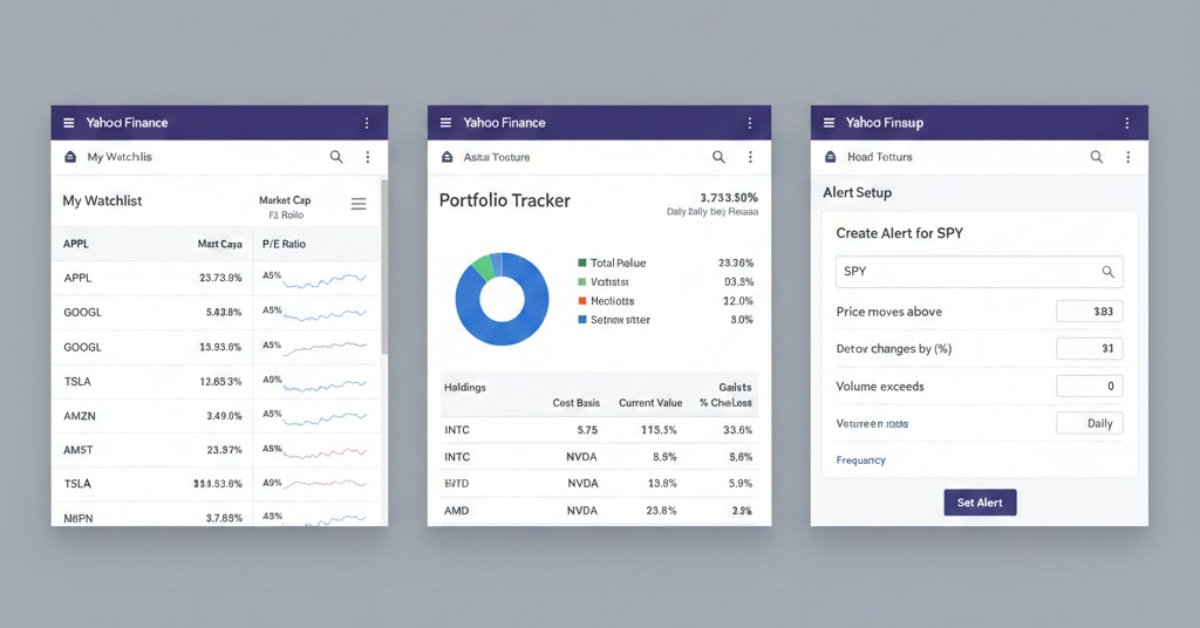
Create an account and customize your watchlist.
-
Add only the stocks that matter to you. Quality > quantity.
-
Categorize your stocks by sector, performance, or personal interest.
Step 2: Use the Yahoo Finance App
-
Enable real-time stock quotes notifications so you don’t have to refresh constantly.
-
Track your portfolio on the go and quickly review charts.
-
Explore the Yahoo Finance app features like trending tickers, news, and alerts.
Step 3: Analyze Stock Performance
-
Use stock charts and graphs to visualize trends.
-
Compare current prices with historical stock data to spot recurring patterns.
-
Review company financials, like revenue, earnings, and P/E ratios.
-
Check earnings reports and dividend information to understand stock stability.
Step 4: Weekly Portfolio Review
-
Update your spreadsheet with performance data and insights.
-
Track stock performance analysis and see what’s improving or declining.
-
Record any patterns you notice from market trends today.
Step 5: Stay Informed
-
Read financial news updates directly in Yahoo Finance.
-
Follow stock market news to understand broader economic trends.
-
Avoid overreacting to every headline; focus on meaningful shifts.
Real-Life Tips That Made a Difference
After months of trial and error, I found these strategies worked best:
-
Focus on trends, not every price fluctuation – short-term changes often aren’t significant.
-
Use investment research tools in Yahoo Finance for deeper insights.
-
Prioritize company financials – revenue and earnings reports tell the real story.
-
Check historical stock data – patterns often repeat over years.
-
Regular, consistent tracking beats occasional deep dives – even 20 minutes a day is effective.
Common Mistakes Beginners Make
-
Obsessing over real-time stock quotes hourly.
-
Ignoring dividend information if income is a goal.
-
Following “hot tips” instead of using investment research tools.
-
Overloading the watchlist with too many stocks, which causes analysis paralysis.
Things People Rarely Mention
Some insights only became clear to me through hands-on experience, not theory.
Real-time stock quotes move every second, and watching them too closely can test your patience.
I learned that constant fluctuations are normal and rarely a reason to panic.
Many headlines exaggerate market movements to grab attention, which can push you toward impulsive decisions.
Stepping back and looking beyond the noise made a big difference for me.
I also noticed that small details matter more than most people admit.
Comparing historical stock data with current charts helped me see patterns instead of reacting emotionally.
When I started combining today’s market trends with a company’s fundamentals, my investment decisions became clearer and more confident.
My Honest Reality Check
Even after mastering Yahoo Finance tracking, investing isn’t perfect:
-
It takes time to see results in your portfolio.
-
Some strategies fail; you have to experiment.
-
The market is unpredictable, so don’t rely solely on any single tool or report.
Yet, using this structured method allowed me to move from frustration to informed investing, saving both time and money.
Calm, Human Wrap-Up
Tracking stocks is more about consistent habits than instant results. Yahoo Finance, with its stock price trackers, charts, and portfolio tools, makes the process manageable.
Remember: small, consistent efforts compound over time. Start with a watchlist of a few stocks, track real-time stock quotes, and review company financials regularly. Over weeks and months, you’ll gain confidence, understanding, and clarity.

FAQs About Yahoo Finance Stocks
Q1: What is Yahoo Finance Stocks?
A: Yahoo Finance Stocks is a platform to track stock prices, charts, financial news, and company performance. It offers tools for both beginners and experienced investors.
Q2: Can I track real-time stock prices on Yahoo Finance?
A: Yes! Yahoo Finance provides real-time stock quotes and notifications via the website and mobile app.
Q3: How do I use Yahoo Finance for portfolio management?
A: Create a personalized watchlist, track holdings, compare historical stock data, and monitor stock performance analysis.
Q4: Does Yahoo Finance show dividend information?
A: Yes, it displays dividend dates, amounts, and historical data for eligible stocks.
Q5: Are Yahoo Finance charts reliable for analysis?
A: Yes, stock charts and graphs provide detailed trend information. For deeper research, combine with company financials and earnings reports.
Q6: Is Yahoo Finance suitable for beginners?
A: Absolutely! Its user-friendly interface, along with investment research tools, makes it accessible for beginners learning market trends today.
Q7: Can I use Yahoo Finance on mobile?
A: Yes, the Yahoo Finance app allows real-time tracking, notifications, and portfolio updates on the go.